Olive Oil Traceability: From Grove to Bottle
How digital traceability and product passports protect olive oil authenticity, prove origin and PDO status, and build premium consumer trust.
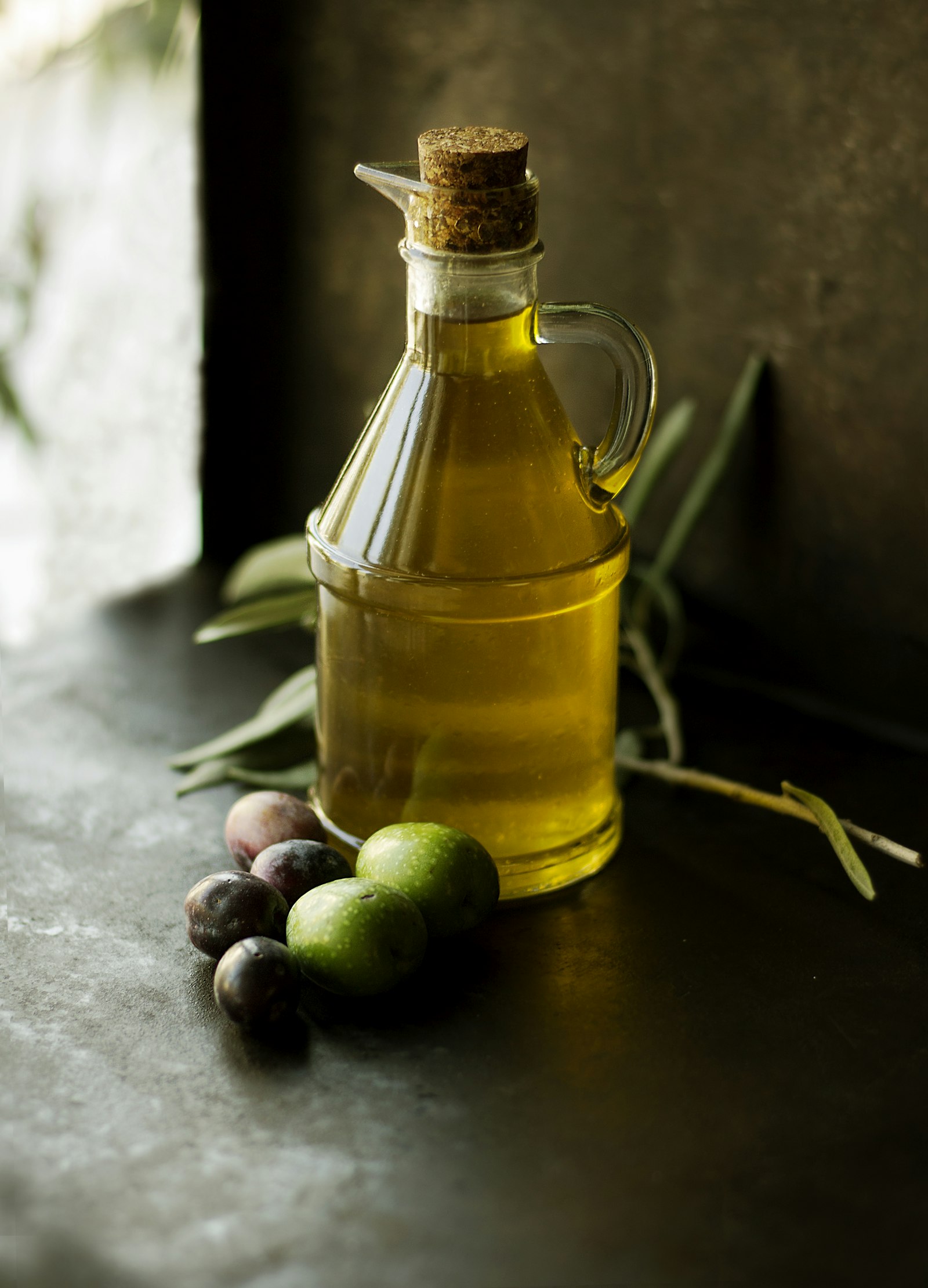
Olive oil is one of the most frequently adulterated foods in the world — and, at the same time, one where origin is worth the most. Olive oil traceability bridges that gap: it turns the invisible story of a lot, from grove to bottle, into a verifiable digital record that anyone can scan. For a quality producer, this is not paperwork; it is how you prove extra virgin olive oil authenticity, justify a premium price, and earn the trust of export markets where your name is not yet known.
Why traceability matters for olive oil
Olive oil moves through a market where adulteration, blending with inferior oils and vague "origin" claims are commonplace. A bottle labelled "Greek extra virgin" may contain oil from three countries; a "handcrafted, single-cultivar" bottle may have no documentation behind the claim. The average consumer has no way to tell the careful producer from the opportunist — and so everyone is paid the same low shelf price.
Traceability breaks that cycle. When every lot is linked to verifiable data — which parcel, which harvest day, which mill, which acidity — the quality claim stops being words on a label and becomes proof. That proof is what sets your product apart on the shelf and at the negotiating table with an importer.
From grove to bottle: the traceability chain
A well-structured food product passport for olive oil follows the product through every critical handover point:
| Stage | Data captured |
|---|---|
| Grove | Parcel location, cultivar (e.g. Koroneiki), tree age, cultivation practices, certifications (organic, PDO/PGI). |
| Harvest | Harvest date and method, time from picking to milling. |
| Mill | Extraction method (cold-pressed), temperature, mill lot number. |
| Quality analysis | Acidity, peroxides, sensory (taste-panel) assessment, polyphenols. |
| Bottling | Bottling date, batch size, lot code, packaging type. |
| Distribution | Destination market, cold/storage chain, best-before date. |
The point is not to record everything, but to record the right touchpoints in a way that can be verified. A record tying a specific lot's acidity to its laboratory certificate is worth more than ten generic marketing claims.
Origin, PDO and the premium gap
In olive oil, geographic identity is the strongest commercial card. Designations such as PDO (Protected Designation of Origin) and PGI (Protected Geographical Indication) exist precisely to protect that value. The problem is that, to a consumer, a "PDO" mark on the label is just another logo — they cannot see what sits behind it. Traceability closes that gap: it ties the designation to the actual parcel, the production zone and the certificates, so the claim becomes visible and checkable.
This has a direct economic footprint. The gap between a bulk, anonymous oil and a branded, documented premium product can be several times the price per litre. A producer who can prove their story no longer competes on price; they compete on value. And value, when it is proven, gets paid for.
There is a flip side too: the cost of getting it wrong. A single adulteration incident or a disputed origin claim can damage a brand built over decades. A complete, timestamped traceability record is not only a marketing tool — it is also a reputation shield, because it lets you answer immediately, with evidence, when someone questions your quality or origin.
The value: premium price, exports, trust
Unlike the Digital Product Passport for batteries, which is a legal obligation, a passport for olive oil is voluntary — and that is exactly where the opportunity lies. You do it not because a regulation forces you to, but because it pays off:
- Premium pricing. A product with proven origin and quality can ask for, and get, a higher price than an anonymous equivalent.
- Export trust. An importer in Japan or the US who does not know you will trust data they can verify far more easily than a spoken claim.
- Consumer confidence. The scan creates a direct, emotional connection — the buyer sees the grove, the producer, the story behind the bottle.
- Brand protection. A unique code per lot makes counterfeiting harder and gives you a tool against fraud.
The same logic applies to other high-value products — see how it works for honey traceability and seed and propagating-material traceability.
How it works in practice
The end consumer needs neither an app nor a sign-up. They scan a QR code — encoded as a GS1 Digital Link — printed on the label or cap with their phone camera, and a page opens telling the story of that specific lot. The same identifier serves several audiences: the consumer sees the origin narrative, the importer sees the analytical certificates, an inspecting authority sees the full compliance documentation.
Because the record lives online rather than on the label, it can be enriched over time — a new analysis, an award, a photo of this year's harvest — without reprinting anything. So investment in a proper traceability foundation pays off over the long term, not just on the first lot.
How to do it with DPP Central
DPP Central (a platform operated by AGROBOX Smart Farming P.C.) lets you create product passports for every olive oil lot, host them securely, and generate the QR codes for your labels — from one place. Built by a team with deep roots in agriculture, DPP Central understands what origin, lot and certification mean in the agrifood sector.
- Structure each lot's data (grove, harvest, mill, analyses, certifications).
- Generate the QR code / GS1 Digital Link that is printed on the label.
- Publish the passport — the consumer scans and sees the story.
Explore the agriculture solutions, learn how the DPP software works, start free, or contact us to map your olive oil lines to a traceability plan. If the institutional dimension interests you, the official source for the EU DPP framework is the European Commission — DPP Registry.
This article is informational. Food is not yet within an EU DPP obligation; traceability is described here as a voluntary commercial tool.
Frequently asked questions
What is olive oil traceability?
It is the ability to follow a bottle of olive oil at every stage — from the specific grove and harvest, through the mill, bottling and distribution. A digital product passport gathers this data into one record, accessible via a QR code on the label.
How does traceability prove extra virgin olive oil authenticity?
By tying each lot to verifiable data — parcel origin, harvest date, cultivar, acidity and sensory-panel results, PDO/PGI certificates. A consumer or importer scans the code and sees documentation, not just a claim printed on the label.
Is a digital passport mandatory for olive oil?
No. Food is not yet inside the EU DPP obligation, which begins in 2027 with batteries. For olive oil, traceability is a voluntary commercial tool: it builds trust, justifies a premium price and smooths exports.
What does a producer gain from a product passport?
Differentiation in a market crowded with adulteration and vague origin claims, the ability to command a premium price, export-market trust, and a direct digital relationship with the end consumer through the scan.
What data goes into an olive oil passport?
Typically: grove origin and cultivar, harvest date and method, the mill and extraction method, acidity and analytical results, any certifications (PDO, PGI, organic), lot number and bottling date.
How does a consumer scan an olive oil passport?
With a phone camera on the QR code (encoded as a GS1 Digital Link) on the label or cap. It opens a page telling the lot's story — no app, no sign-up.