Honey Traceability: Proving Origin and Purity
How digital traceability and product passports document honey origin, botanical source and purity — fighting adulteration and unlocking premium markets.
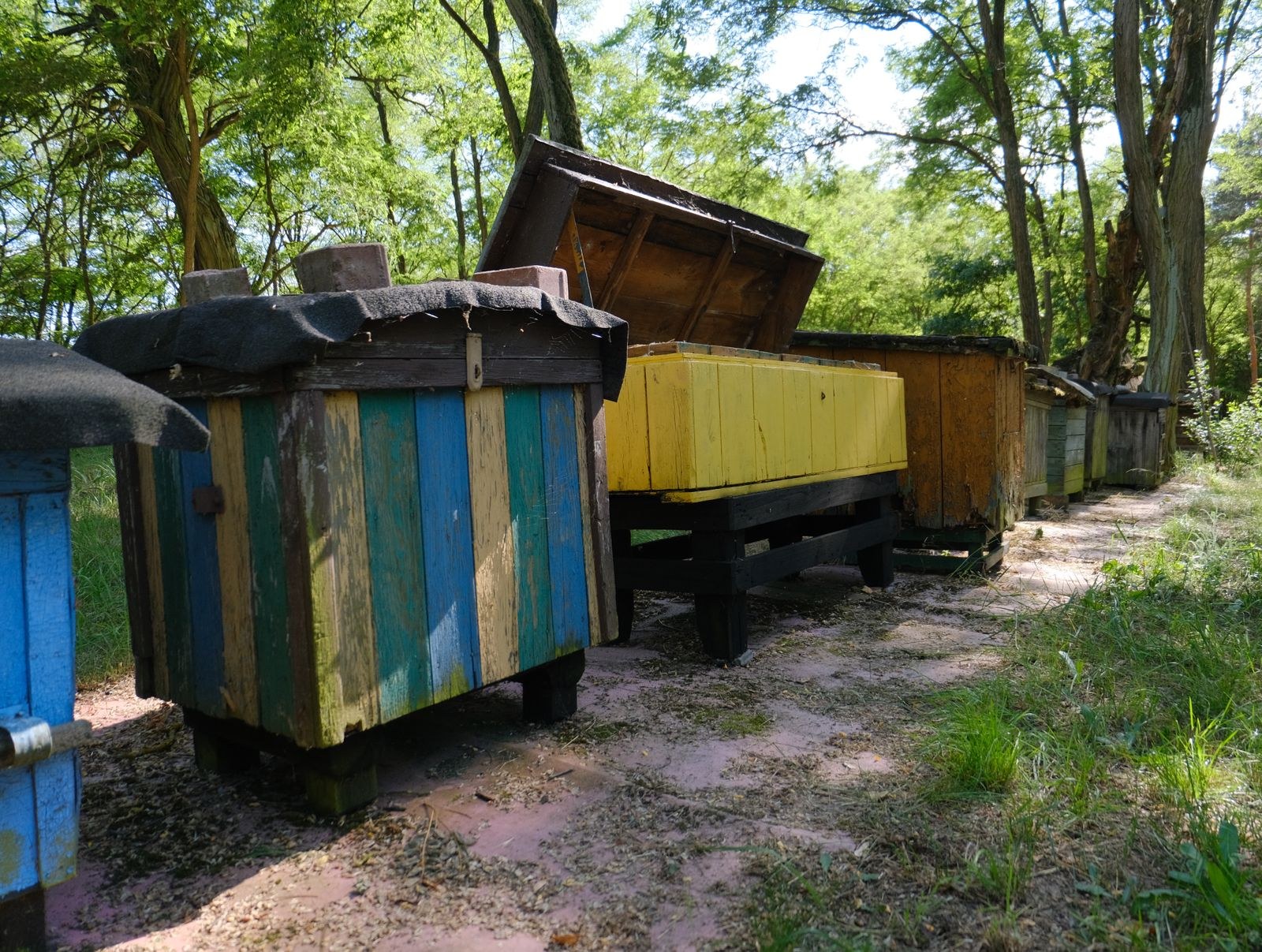
Honey is one of the most adulterated foods in the world — often "cut" with cheap sugar syrups or mislabelled for origin. At the same time, an authentic, monofloral honey with a clear geographic identity is worth many times an anonymous shelf jar. Honey traceability bridges that gap: it turns origin and purity from a claim into verifiable origin, through a digital passport the consumer scans on the jar.
Why honey needs traceability
Honey fraud is massive and sophisticated: dilution with syrups, blending of honeys from different origins, false claims about botanical source ("thyme", "fir") with no documentation. The honest beekeeper who produces genuine, monofloral honey sits on the same shelf as the adulterated product — and often loses, because the consumer has no way to tell them apart.
Traceability gives the honest producer a tool to stand out. When every lot is linked to its apiary, its botanical source and its laboratory analyses, "purity" stops being a marketing word and becomes evidence. That changes the conversation on the shelf, in export, and at the negotiating table.
From apiary to jar: the honey chain
A honey passport follows the lot through every critical stage:
| Stage | Data captured |
|---|---|
| Apiary | Location (geolocation), region, beekeeper, certifications (PDO/PGI, organic). |
| Botanical source | Honey type (thyme, fir, blossom), flowering season. |
| Harvest | Harvest date, collection method, lot quantity. |
| Extraction & maturation | Extraction method (centrifugation), temperature, maturation time. |
| Analyses | Moisture, HMF, sugars, pollen (melissopalynological) analysis, conductivity. |
| Packing | Packing date, lot number, jar size, best-before date. |
Pollen analysis and the apiary's geolocation are the strongest origin evidence: together they confirm that "thyme honey from Southern Greece" really is what it claims. The digital passport simply makes that data visible to anyone who scans.
The economics of fraud — and why transparency wins
Honey fraud is not an isolated problem; it is a whole parallel market. Cheap, diluted product pushes prices down for everyone, including the honest producers who carry real costs: moving hives, low yields in hard years, laboratory testing. When the consumer cannot tell genuine from adulterated, they choose on price — and the honest producer loses.
Transparency reverses that dynamic. A jar carrying verifiable origin, botanical identification and laboratory analyses is no longer in the same category as the anonymous shelf product. It gives the consumer a reason to pay more — and the retailer a reason to shelve it higher. Traceability, then, is not an expense; it is an investment that lets the producer recover the value fraud takes away.
There is regulatory momentum too: country-of-origin labelling requirements for honey in the EU are tightening, as authorities respond to widespread adulteration. A producer who has already built transparent, digital traceability sits ahead of that curve, not behind it.
The value: authenticity, premium price, exports
Unlike the Digital Product Passport for batteries, which is a legal obligation, a honey passport is voluntary — and that is exactly what makes it a competitive advantage:
- Proof of authenticity. Verifiable origin and analyses set genuine honey apart from adulterated product.
- Premium pricing. A honey with a proven identity justifies a higher price.
- Export trust. Foreign markets increasingly demand documented origin; traceability opens doors.
- Consumer confidence. The scan brings the buyer close to the beekeeper and the story of the jar.
The same logic runs through the whole agrifood sector — see how it applies to olive oil traceability and seed traceability.
How it works in practice
The consumer needs neither an app nor a sign-up. They scan a QR code — encoded as a GS1 Digital Link — on the jar or lid with their phone camera, and a page opens telling the story of that specific lot: apiary, botanical source, analyses, beekeeper. The same identifier also serves the importer (analytical certificates) and the inspector (compliance documentation).
Because the record lives online, it is enriched over time — a new analysis, a taste award, photos of this year's bloom — without reprinting the label. Investment in traceability pays off over the long term.
For the small or mid-sized beekeeper, this matters especially. Without a large advertising budget, the product itself tells its story: the consumer who scans sees the person behind the jar, the region, the way it was produced. That direct relationship is hard for an industrial, anonymous product to copy — and it is exactly what builds loyal customers who come back and recommend.
How to do it with DPP Central
DPP Central (a platform operated by AGROBOX Smart Farming P.C.) lets you create per-lot honey passports, host them securely, and generate the QR codes for your jars — from one place. Built by a team with deep agricultural knowledge, it understands what origin, botanical source and lot mean.
- Structure each lot's data (apiary, botanical source, harvest, analyses, certifications).
- Generate the QR code / GS1 Digital Link for the jar.
- Publish the passport — the consumer scans and sees the story.
Explore the agriculture solutions, see how the DPP software works, start free, or contact us. For the EU DPP institutional framework, the official source is the European Commission — DPP Registry.
This article is informational. Food is not yet within an EU DPP obligation; traceability is described here as a voluntary commercial tool.
Frequently asked questions
What is honey traceability?
It is the ability to follow a honey lot from the apiary to the jar — location, botanical source (e.g. thyme), harvest, extraction, analyses and packing. A digital passport gathers this data into one record, accessible by scanning a QR code.
How does traceability fight honey adulteration?
Honey is one of the most adulterated foods in the world (often with sugar syrups). By tying each lot to a verifiable origin and laboratory analyses, the buyer sees documentation instead of trusting the label alone.
Is a digital passport mandatory for honey?
No. Food is not yet within the EU DPP obligation. For honey, traceability is a voluntary commercial tool — though origin-labelling requirements are tightening, which makes transparent origin a competitive advantage.
How is honey origin verified?
By combining apiary data (geolocation), botanical identification (pollen analysis), physico-chemical analyses and the lot record. A digital passport unifies them so origin is provable, not merely stated.
What data does a honey passport contain?
Apiary and region, botanical source, harvest date, extraction method, moisture and analyses (e.g. HMF, sugars, pollen), certifications (PDO/PGI, organic), lot number and packing date.
How does a consumer scan a honey passport?
With a phone camera on the QR code (GS1 Digital Link) on the jar. It opens the lot's page with origin, botanical source and analyses — no app, no sign-up.