Seed Traceability: Digital Passports for Propagating Material
How seed and propagating-material traceability documents variety, lot, origin and treatment — for certification, quality assurance and grower trust.
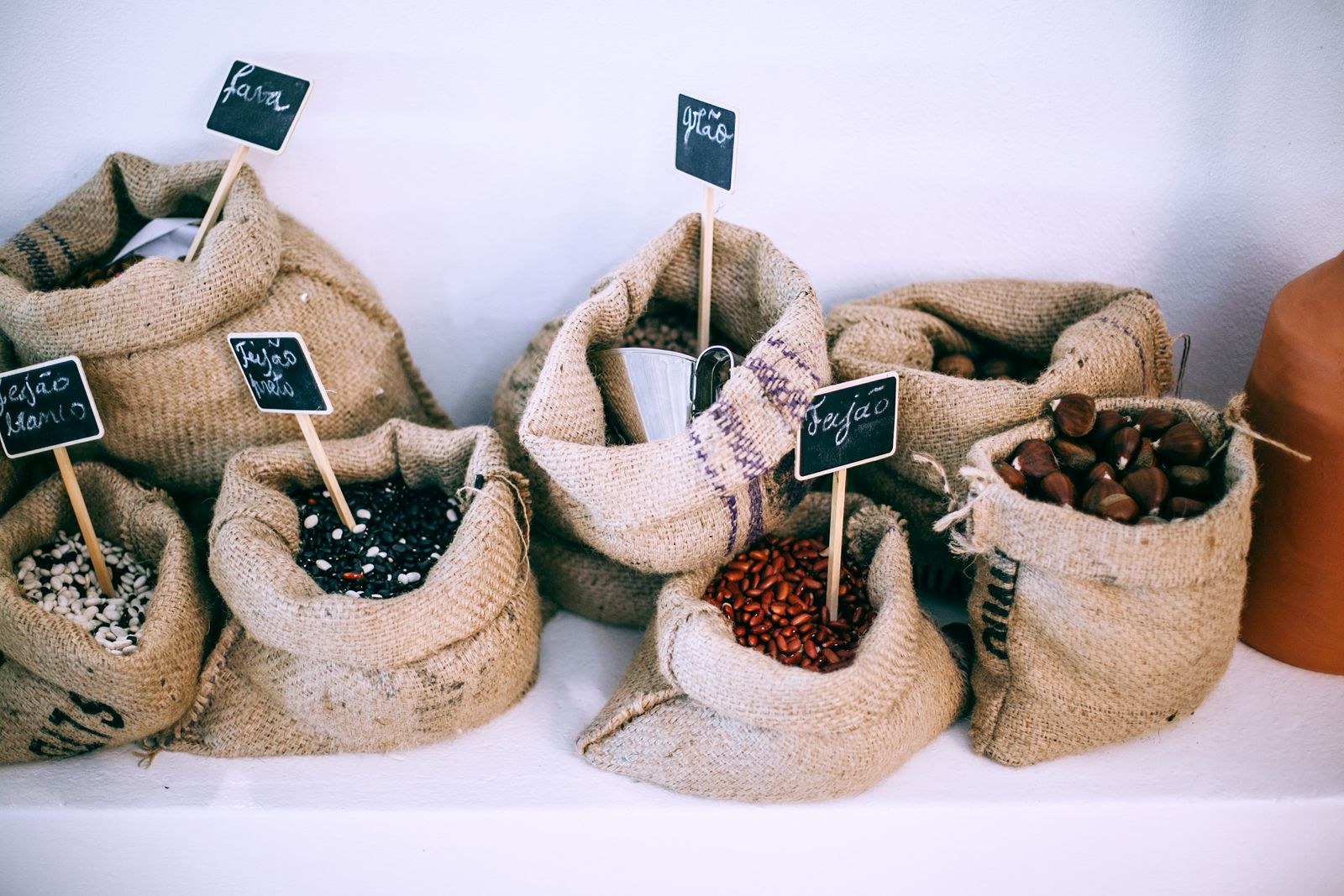
Seed is the first link in every agrifood chain — and usually the most opaque. A grower buying a bag of seed trusts that the variety is the one on the label, that the germination is real, and that it is not a counterfeit. Seed traceability turns that trust into proof: it links each lot to a digital record — a propagating material passport — that documents variety, origin, certification and treatment, reachable in a single scan.
Why seed needs traceability
The seed sector already carries strict requirements: official certification, lot labelling, documented germination and purity. The problem is that this data is often "locked" in paper, separate systems and internal records — invisible to the grower holding the bag. When something goes wrong (low germination, variety mixing, an identity dispute), tracing the responsible lot can take days.
Digital traceability unifies that data per lot and makes it instantly accessible. It does not replace the regulatory schemes; it makes them transparent and usable — both for your own risk management and for the customer's trust.
From variety to bag: the seed chain
A seed-lot passport follows the material through every critical stage:
| Stage | Data captured |
|---|---|
| Variety & pedigree | Variety name, breeder, category (basic, certified), plant breeders' rights. |
| Field production | Production field/country, harvest year, growing conditions, isolation. |
| Cleaning & grading | Lot number, lot size, cleaning equipment. |
| Quality tests | Germination (%), purity, moisture, seed health, foreign matter. |
| Seed treatment | Coating, dressing, inoculation, substances applied. |
| Packaging | Packaging date, bag size, lot code, certification label. |
The most valuable touchpoint is linking the lot to its official seed certification and germination results. Instead of reading only a percentage on the label, the buyer can see the evidence behind the number.
Certification and the digital passport: complementary, not competing
It is worth being clear about what a digital seed passport is not: it does not replace official certification schemes. Certification confirms, through official bodies, that a variety is what it claims to be, that purity and germination meet the thresholds, and that the lot is correctly labelled. The digital passport sits on top: it takes that official evidence and makes it instantly accessible, tied to the specific bag the buyer is holding.
The difference is practical. A paper certificate can be lost, left in the distributor's drawer, or never reach the end grower. The QR code on the package, by contrast, is always there — and it leads to the same, up-to-date record. So the value of the certification, which you have already paid for, finally becomes visible along the whole chain, from distributor to farmer.
This also matters for risk management. Lot-level traceability requirements already exist in the sector; a digital system simply makes them fast and reliable. When an inspecting authority or a large customer asks for a lot's history, the answer is one scan away instead of hours of searching through records.
The value: trust, recall, brand protection
Like the Digital Product Passport for regulated products, seed traceability creates value — but here the value is voluntary and commercial, not compulsory:
- Fast, targeted recall. If a lot shows a germination or health problem, you immediately see where it went and recall only what you must — not the whole production.
- Counterfeit protection. A unique code per lot makes it harder to fake premium varieties.
- Grower trust. A farmer who can verify the variety and germination buys again with confidence.
- Legal position. In a dispute over identity or performance, a complete, timestamped record is strong evidence.
The same principle runs through the whole agrifood sector — see how it works for olive oil traceability and honey traceability.
How it works in practice
The grower scans a QR code — encoded as a GS1 Digital Link — printed on the package with a phone camera, and the page for that specific lot opens: variety, germination, certification, sowing instructions. The same identifier also serves the distributor (stock management, recall) and the inspector (compliance documentation).
Because the record is digital, it can be updated — a fresh germination test after months of storage, a revised instruction — without changing the physical label. So the same lot stays "alive" and reliable throughout its commercial life.
The benefit spreads across the whole chain. The breeder protects their variety from copying; the multiplier proves the quality of their work; the distributor manages stock and any recall precisely; and the end grower sows with confidence, knowing exactly what goes into their field. A shared, reliable record per lot aligns everyone's interests around the same truth.
How to do it with DPP Central
DPP Central (a platform operated by AGROBOX Smart Farming P.C.) lets you create per-lot seed passports, host them securely, and generate the QR codes for your packaging — from one place. Built by a team with deep agricultural knowledge, it understands what variety, lot and certification mean.
- Structure each lot's data (variety, production, tests, treatment, certification).
- Generate the QR code / GS1 Digital Link for the package.
- Publish the passport — grower and inspector scan and see the documentation.
Explore the agriculture solutions, see how the DPP software works, start free, or contact us. For the EU DPP institutional framework, the official source is the European Commission — DPP Registry.
This article is informational. Seed is not within an EU DPP obligation; traceability is described here as a voluntary quality and trust tool.
Frequently asked questions
What is seed traceability?
It is the ability to follow a seed or propagating-material lot along its whole path — from the variety's pedigree and the production field, through cleaning, germination testing, treatment and packaging. A digital passport gathers this data into one record per lot.
How does it relate to seed certification?
Seed certification confirms variety identity, purity and germination under official schemes. A digital passport does not replace certification — it links it to the lot, so a buyer scans and sees the certificate itself instead of trusting it blindly.
Is a digital passport mandatory for seed?
No. Seed is not within the EU DPP obligation (which begins in 2027 with batteries). Traceability and lot-labelling requirements already exist, though; the digital passport is a voluntary tool that makes them transparent and commercially useful.
What does a seed company gain from traceability?
Faster lot recall if something goes wrong, protection against counterfeits, grower trust, differentiation of premium varieties, and a stronger legal position in disputes over germination or identity.
What data does a seed-lot passport contain?
Variety and pedigree, lot number, certification category, germination and purity percentages, seed treatment (e.g. coating, dressing), production field/country, harvest year and packaging date.
How does a grower scan a seed passport?
With a phone camera on the QR code (GS1 Digital Link) on the package. It opens the lot's page with the certificate, germination and instructions — no app needed.