EU Battery Passport: 2027 Requirements
From 18 February 2027, industrial & EV batteries over 2 kWh need a Digital Product Passport. What the battery passport requires and how to prepare.
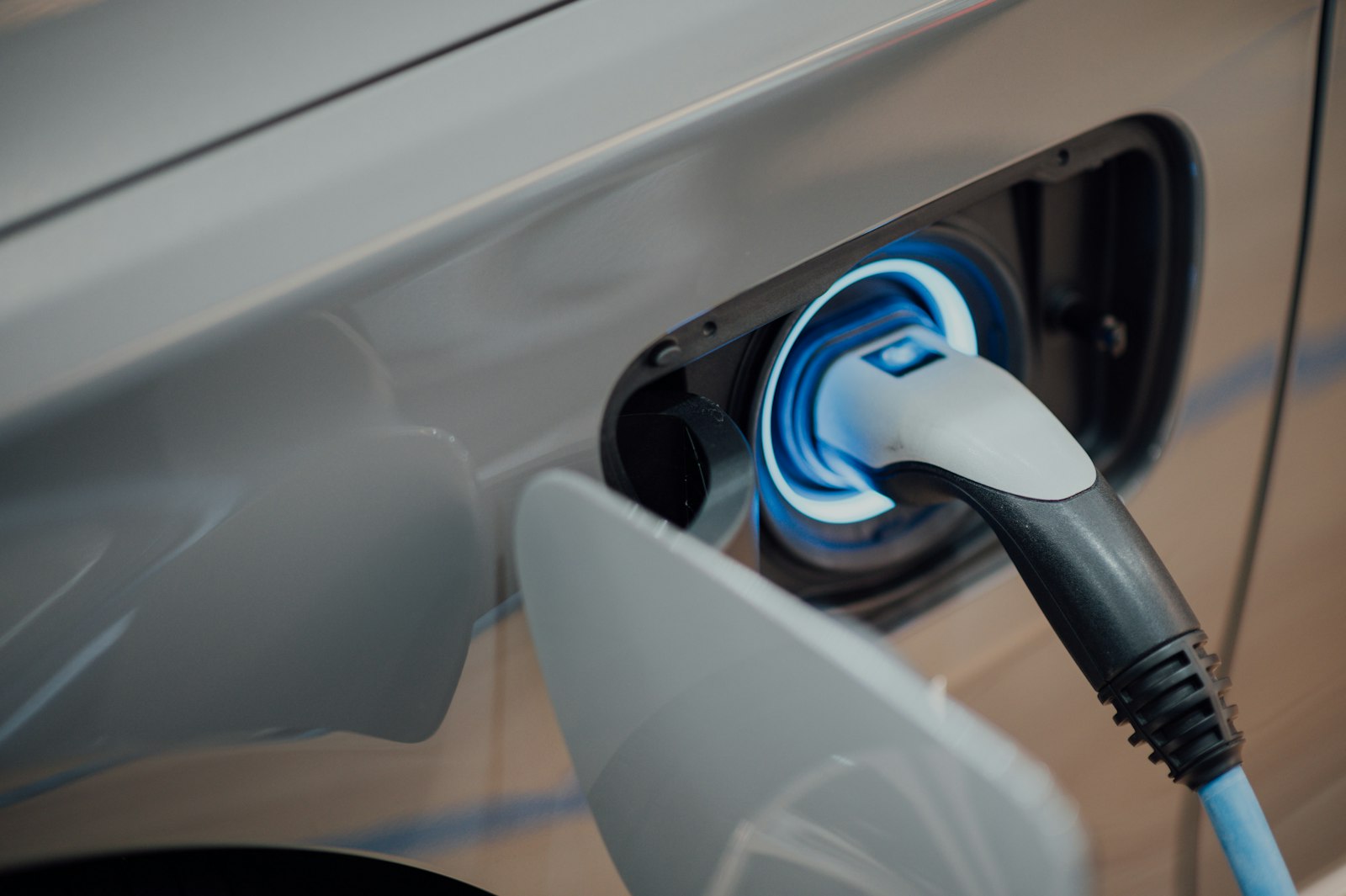
The battery passport is the first mandatory Digital Product Passport (DPP) in the European Union. From 18 February 2027, every industrial and electric-vehicle battery over 2 kWh placed on the EU market must carry a battery passport — a structured digital record accessible through a QR code or GS1 Digital Link on the product. If you manufacture, import or remanufacture batteries for the European market, compliance is no longer a distant, future concern: it is a hard 2027 deadline that shapes how you collect data across your entire supply chain today.
What is the EU Battery Passport?
The battery passport is established by the Batteries Regulation (EU) 2023/1542 and is the first product-specific application of the wider Digital Product Passport concept. It is a structured, machine-readable record that brings together a battery's sustainability, composition, origin, performance and end-of-life information.
End users reach that record by scanning a data carrier — typically a QR code encoded as a GS1 Digital Link — printed on the battery or its packaging. Not everyone sees the same data, though: the general public sees high-level sustainability information, owners and repairers gain access to performance and state-of-health figures, and competent authorities can view fuller compliance records. The purpose is transparency, a circular economy, better information for consumers and regulators, and a defence against greenwashing. For the fundamentals, see our guide on what a Digital Product Passport is.
Because the record must stay accurate for the life of the product — not just at the point of sale — it is best understood as living data infrastructure rather than a one-off label. That persistence is also what makes second-life uses possible: an accurate history of how a battery has performed is what lets a recycler or refurbisher decide whether to reuse, repurpose or recover it.
Which batteries are covered?
The obligation does not apply to every cell. Regulation (EU) 2023/1542 targets specific categories:
- Electric-vehicle (EV) batteries — the traction batteries in cars, trucks and buses.
- Industrial batteries over 2 kWh — energy-storage systems, industrial equipment and stationary installations.
- Light means of transport (LMT) batteries — e-bikes, e-scooters and similar vehicles.
Ordinary general-purpose portable batteries (for example household cells) are not covered. The 2 kWh threshold matters: an industrial battery just below it is out of scope, while one just above it is in. Getting that classification right is the first compliance decision, because it determines whether a given product line needs a passport at all.
What data must a battery passport include?
A passport pulls data from across the value chain. The core information categories are:
| Data category | What it covers |
|---|---|
| Carbon footprint | The battery's life-cycle carbon footprint, expressed per unit of energy. |
| Materials & critical raw materials | Composition, hazardous substances and the critical raw materials contained in the battery. |
| Recycled content | The share of recovered materials (e.g. cobalt, lithium, nickel, lead) in the active materials. |
| Performance & durability | Capacity, power, expected lifetime and durability parameters. |
| Supply-chain due diligence | Information on responsible sourcing of raw materials and the associated risks. |
| State of health | Condition and remaining-performance data, useful for reuse, repurposing and recycling. |
These fields do not originate in one place — they come from raw-material suppliers, cell makers and assembly plants. In practice the hardest part is rarely the passport technology; it is collecting reliable data early from every link in the chain and keeping it current as the product moves through its life. Because access is tiered, commercially sensitive supply-chain detail is not exposed to the public, while the information consumers and recyclers need stays one scan away.
The 18 February 2027 deadline — what it means
18 February 2027 is the EU's first mandatory DPP deadline. From that date, every EV battery, industrial battery over 2 kWh and LMT battery that is placed on the market or put into service in the EU must have a complete, accurate passport, reachable through its data carrier. A battery that lacks a valid, accessible passport risks being held back from the EU market, so the passport becomes a condition of market access rather than an optional extra.
Responsibility falls on the economic operator that places the battery on the market. Because the record must be kept up to date throughout the product's life, preparing is not a single compliance event but an ongoing programme: mapping suppliers, agreeing what data each will provide, standardising formats, and test-running passports before go-live. Companies that begin now reach 2027 ready, instead of scrambling at the last minute — which is exactly why the battery passport 2027 milestone is watched as the bellwether for every product group that follows under the ESPR.
How the battery passport links to the EU DPP Registry
The EU DPP Registry went live on 20 July 2026 and is a decentralised index — it does not host passport data itself. For each passport it stores the unique product identifier (GS1 Digital Link), a registration identifier, the commodity/HS code, the granularity level (model, batch or item — for batteries, typically per item) and a link to where the full data is hosted. The data itself stays with the operator, or with the DPP platform they designate. Registering a passport therefore does not mean uploading your data to a central EU database; it means depositing a pointer — the identifier plus the link — so that authorities and market-surveillance bodies can locate the authoritative source on demand.
Economic operators connect to the Registry through a secure interface or an API. Identity is verified via eIDAS (Regulation (EU) 910/2014): legal entities need a qualified electronic seal from a qualified trust service provider, while sole traders use a qualified electronic signature. The Registry's legal basis is Commission Implementing Regulation (EU) 2026/1778, adopted on 16 July 2026. Read more at the official source: European Commission — DPP Registry.
How to comply with DPP Central
DPP Central (a platform operated by AGROBOX Smart Farming P.C.) lets you create compliant battery passports, host the data, and register them in the EU DPP Registry — from one place. In practice:
- Structure each battery's data (carbon footprint, materials, recycled content, performance, state of health).
- Generate the data carrier (QR / GS1 Digital Link) that is printed on the product.
- Publish the passport and register it in the Registry through a secure connection.
You do not have to solve data carriers, hosting and registration as three separate projects. See the battery solution page, explore pricing, start free, or contact us to map your product lines to a passport plan before the deadline.
This article is informational and is not legal advice. For a binding interpretation of your obligations, consult the official EU texts or a qualified legal adviser.
Frequently asked questions
What is the EU battery passport?
It is a structured digital record — accessible through a QR code or GS1 Digital Link on the product — that captures a battery's carbon footprint, materials, recycled content, performance and state of health. Established by the Batteries Regulation (EU) 2023/1542, it is the first mandatory Digital Product Passport (DPP) in the EU.
When is the battery passport deadline?
The obligation applies from 18 February 2027. From that date, every industrial and electric-vehicle battery over 2 kWh placed on the EU market must carry a passport.
Which batteries need a passport?
EV batteries, industrial batteries with a capacity greater than 2 kWh, and light means of transport (LMT) batteries such as e-bikes and e-scooters. General-purpose portable batteries are outside the obligation.
What data does a battery passport contain?
Carbon footprint, materials and critical raw materials, recycled content, performance and durability, supply-chain due diligence, and state-of-health data. Different audiences — the public, owners and authorities — can access different levels of detail.
Is the battery passport the same as the Digital Product Passport?
It is the first mandatory application of the wider Digital Product Passport (DPP) concept. The general framework comes from the ESPR, Regulation (EU) 2024/1781, while the passport for batteries is set specifically by the Batteries Regulation (EU) 2023/1542.
How do I register a passport in the EU DPP Registry?
The EU DPP Registry is a decentralised index: it stores the unique product identifier (GS1 Digital Link), a registration identifier, the commodity/HS code, the granularity level and a link to where the data is hosted — not the data itself. Operators connect via a secure interface or API, with eIDAS identity (a qualified electronic seal for legal entities).